Check your Linux architecture
Run uname -m. Use x64 for most Intel or AMD systems and ARM64 only when your system reports an ARM architecture such as aarch64.
Download the verified Antigravity 2.0 v2.8.1 Linux archive for x64 or ARM64, then choose the package or tarball path that matches your distribution. Use the official Google page as the source-of-truth fallback.

Files verified August 19, 2026; check Google for newer releases.
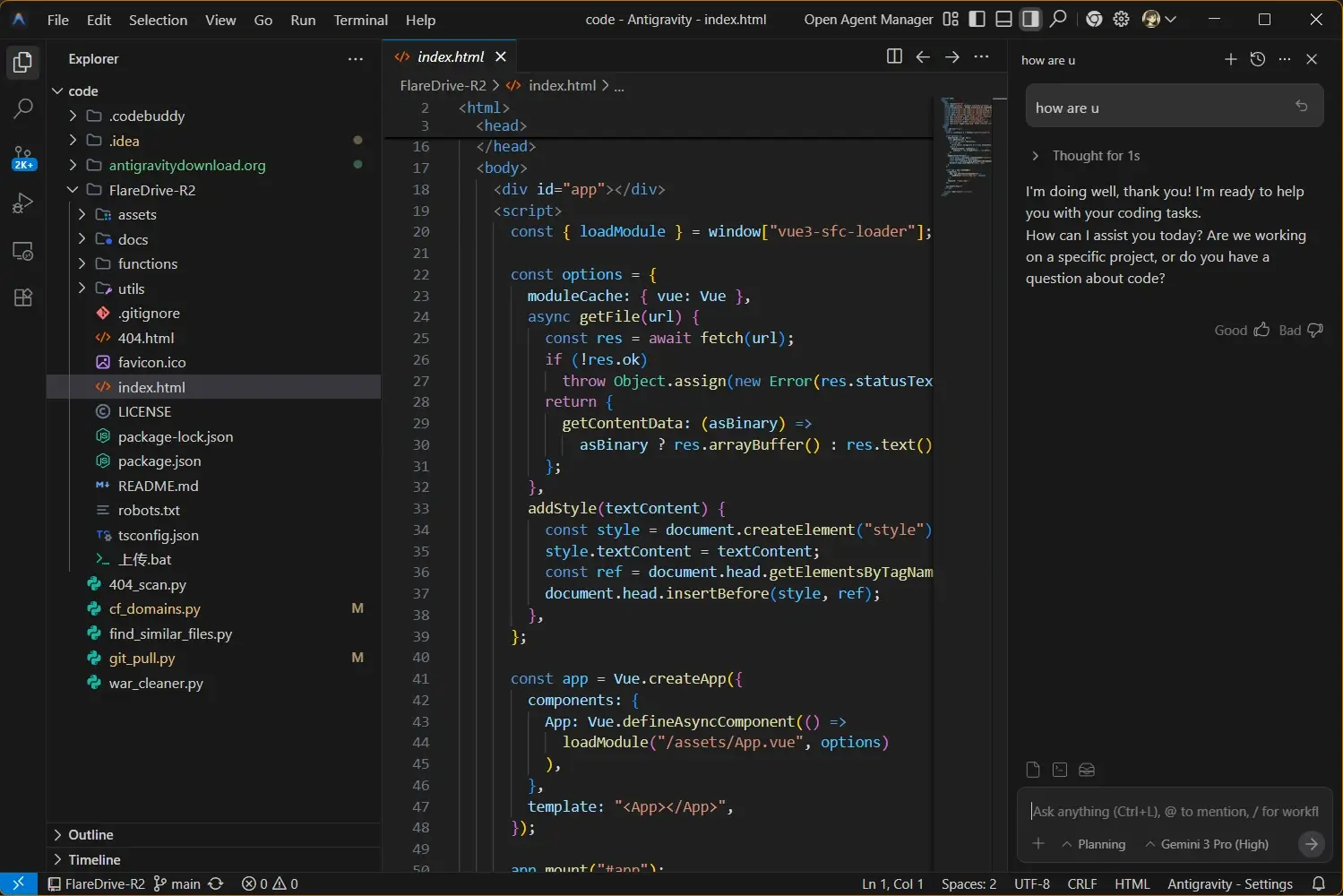
Choose a verified package path, check your architecture, and avoid mixing APT, DNF and tarball copies on one machine.
Use the official page for current package instructions, then install a matching local DEB if one is provided.
https://antigravity.google/downloadUse the official page for current package instructions; the page may change.
uname -mUse the x64 file for most Intel/AMD systems and ARM64 for aarch64 or another ARM result.
sudo apt install ./Antigravity*.debRun only when the official page supplies a matching package; the file name may vary.
Use the official page for current RPM instructions, then install a matching local RPM if one is provided.
https://antigravity.google/downloadUse the official page for current package instructions; the page may change.
uname -mUse the x64 file for most Intel/AMD systems and ARM64 for aarch64 or another ARM result.
sudo dnf install ./Antigravity*.rpmRun only when the official page supplies a matching package; the file name may vary.
Use the verified archive when you need a controlled copy or cannot use a package manager.
tar -xzf Antigravity.tar.gz
./Antigravity/antigravity
Use the matching x64 or ARM64 archive and keep the extracted path documented.
Run uname -m. Use x64 for most Intel or AMD systems and ARM64 only when your system reports an ARM architecture such as aarch64.
Use the verified direct Linux archive or follow the current APT/DNF instructions shown on the official Google page. Do not copy an old repository key or development repository configuration.
Extract the archive or complete the package installation, launch Antigravity, then verify the installed version in About. Keep one installation path per machine.
Use the verified x64 or ARM64 archive and confirm uname -m before installing.
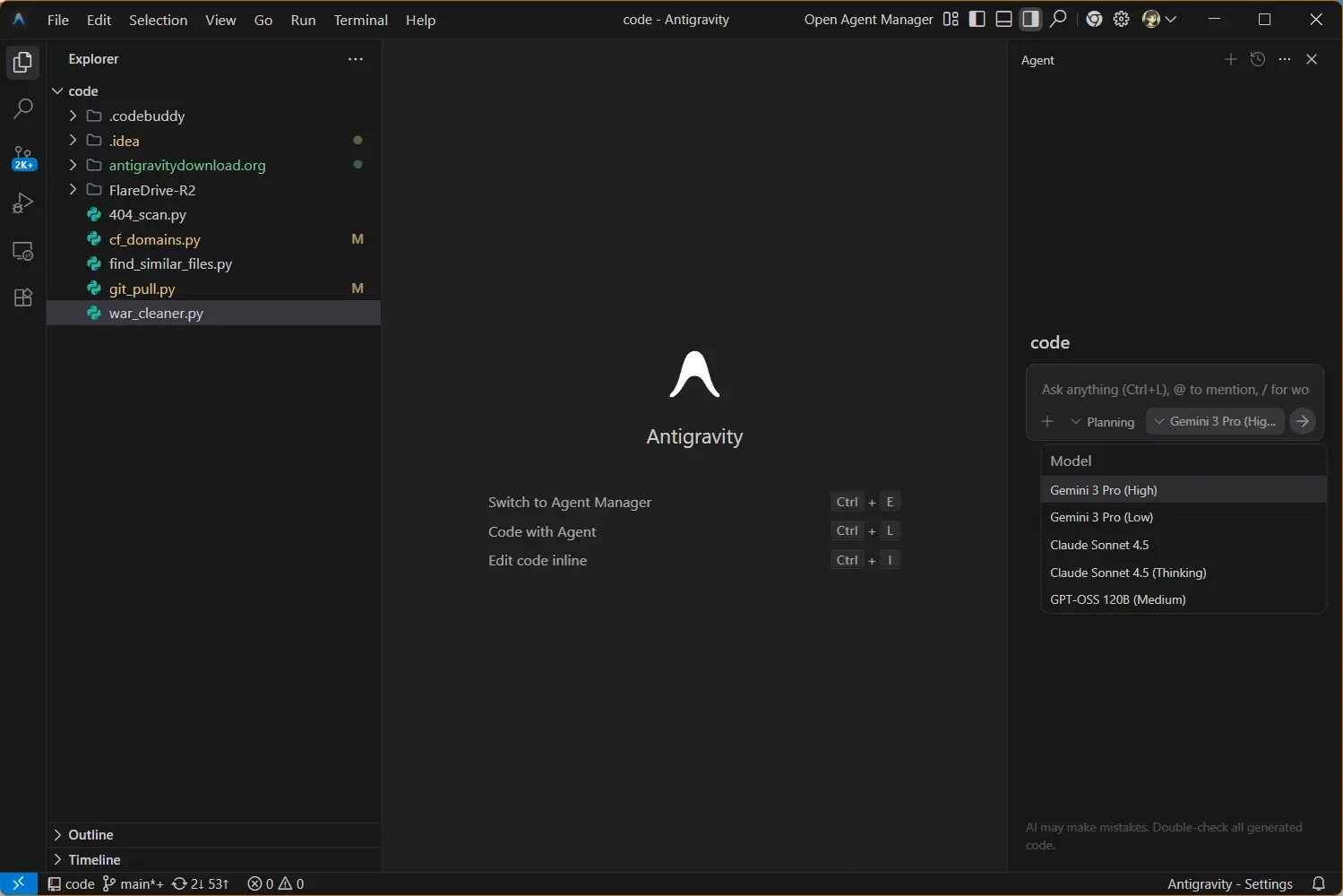
Use the official page for current package instructions; package keys and repository details can change.
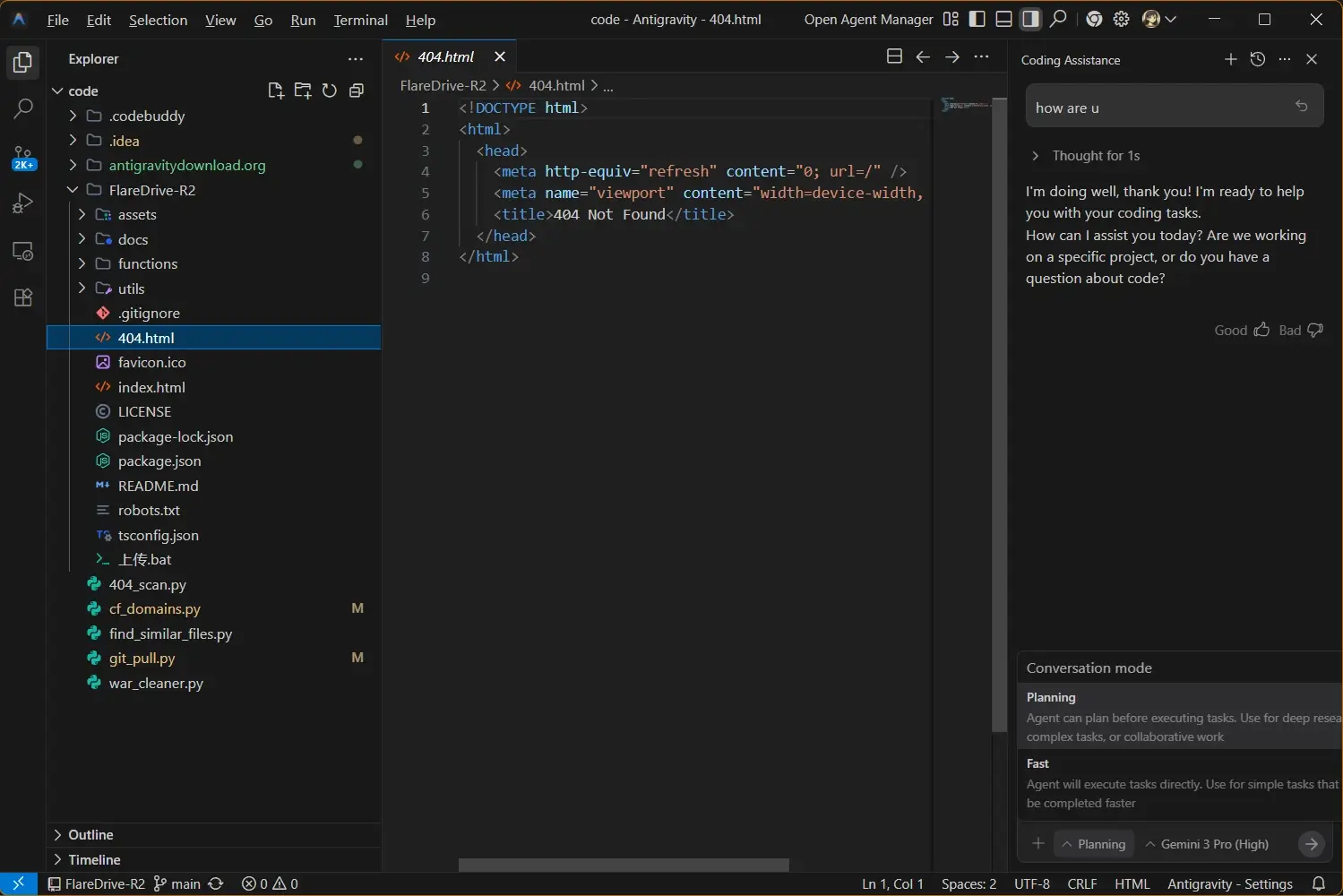
A tarball is useful for a controlled test copy or when a package manager is unavailable. Keep the extracted path documented.
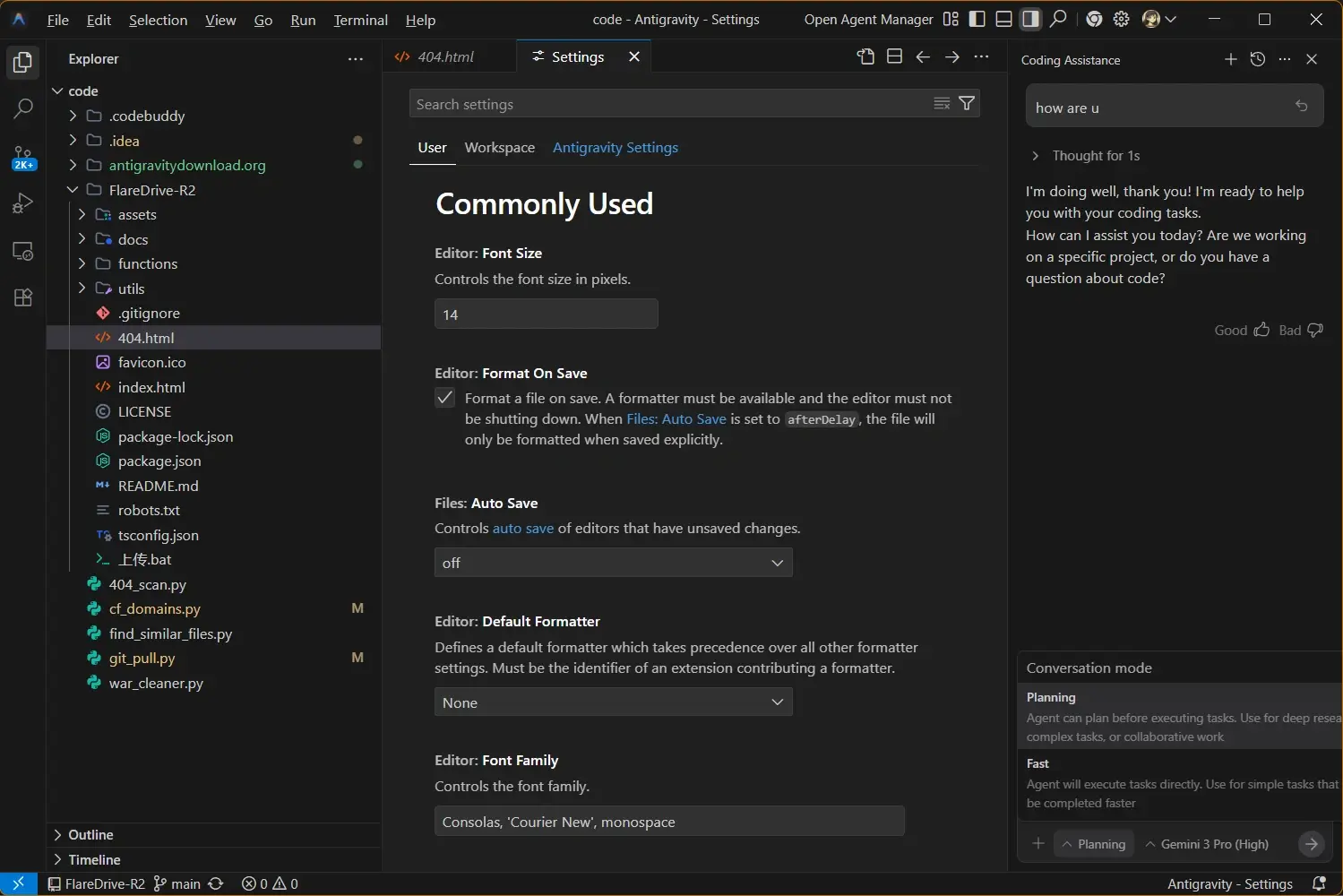
If the app opens incorrectly, check the display server, graphics stack, permissions and network before reinstalling.
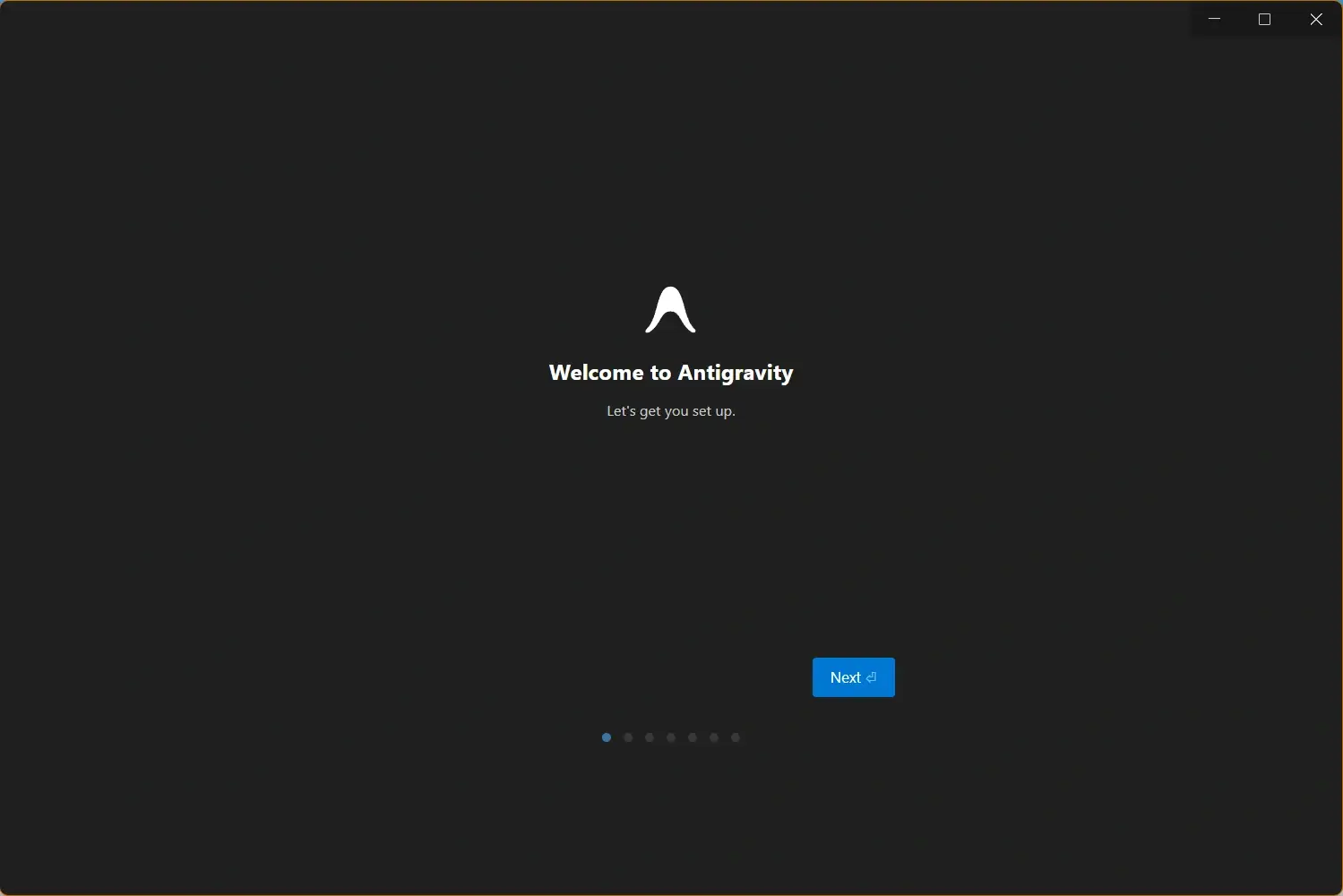
Choose x64 for most Intel or AMD machines and ARM64 only when the operating system reports an ARM architecture.
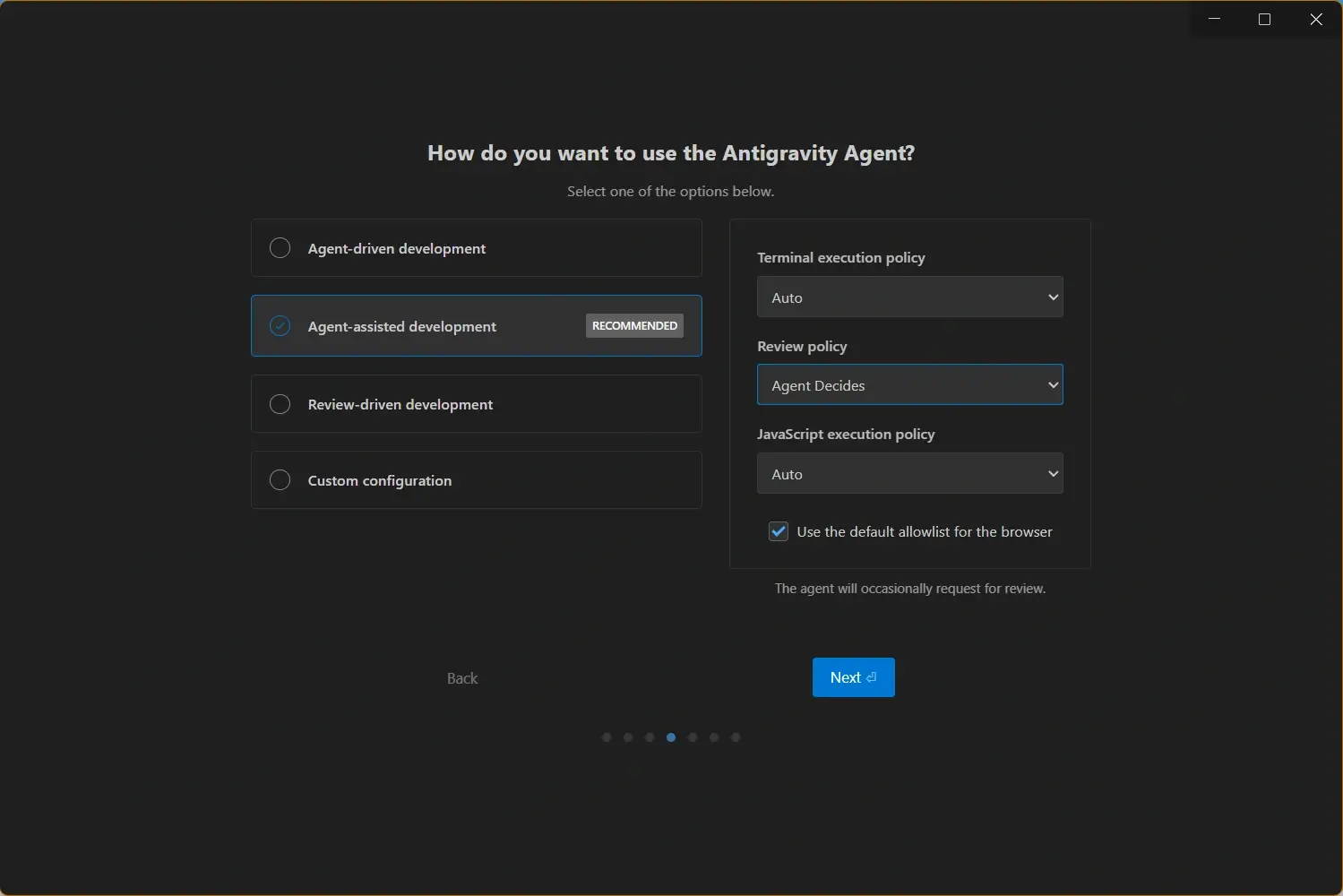
Keep the same package or archive path for future updates. The update guide covers stale shortcuts and duplicate copies.
Do not mix a tarball with an APT or DNF copy unless you deliberately isolate the test installation.
The v2.8.1 Linux files were checked for HTTP 200, content type and byte size on August 19, 2026. Check Google for newer releases.
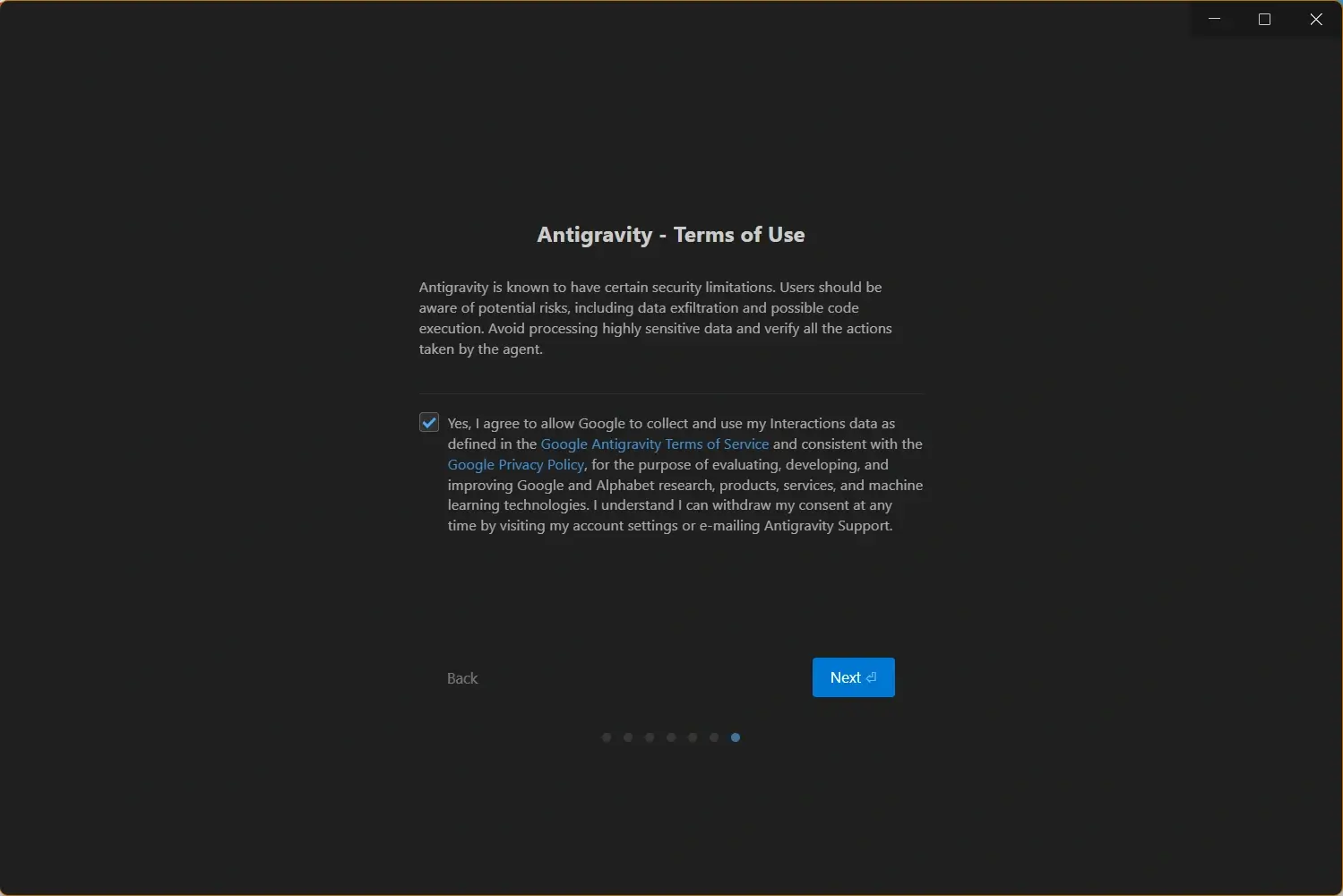
Choose the verified Linux x64 or ARM64 archive on this page, or open the official Google download page and follow the current platform instructions.
Check uname -m, download the matching archive, extract it into a controlled directory, and launch the executable. If the official page provides current APT or DNF instructions, follow those instead of copying an old repository setup.
Use the official Google page for current Ubuntu package instructions or use the verified archive. Do not assume that an old repository key or development repository remains valid.
Use the official Google page for current Fedora instructions or the verified archive. Keep the package path consistent with future updates.
The verified page files include Linux x64 and ARM64 archives. Confirm your architecture with uname -m before choosing a file.
Yes. Extract the matching tarball into a user-controlled directory, record the path, and avoid launching a second package-manager copy by accident.
Use the same package-manager or archive path used for installation. The update guide covers refreshes, duplicate installations and stale shortcuts.
This page labels the files as verified v2.8.1 files checked on August 19, 2026. It does not claim they are the latest; check the official Google page for a newer release.